Lightning Fast
AI vectorization processes images in seconds, so you can get SVG conversion results quickly without a long wait.
AI-powered online vector converter
AI-driven image tracing analyzes the icon's outlines, colors, and shapes to create editable vector paths for websites, print, and professional design projects.
JPG, PNG, WebP, GIF, AVIF, HEIC, BMP, ICO, or PDF · Up to 25 MB · Drag and drop supported
View and download the full result with no watermark
Product Features
Batch processing, HD output, lightning-fast speed, and secure handling — everything you need for icon conversion.
AI vectorization processes images in seconds, so you can get SVG conversion results quickly without a long wait.
Scale images freely for anything from small icons to large-format printing while keeping every detail crisp and sharp.
Adjust and refine converted images, change colors, improve details, and export your work in multiple popular image formats.
AI analyzes edges, shapes, and fine details to automatically generate smoother, more accurate SVG vector paths.
Upload and process up to 50 images at once—ideal for converting batches of logos, icons, illustrations, or product assets.
Export to SVG, PNG, JPG, or WEBP for convenient use across websites, design projects, printing, and sharing.
Quickly upload and convert one or multiple ICO files through our user-friendly interface.
Convert ICO files into clean SVG graphics while retaining as much visual clarity as possible.
Your ICO and SVG files are processed securely and automatically deleted eight hours after conversion.
ICO basics
The ICO file format was introduced by Microsoft. It is used for Windows application icons, desktop shortcuts, file association icons, website favicons, and similar purposes.
A single ICO file can contain multiple images with different dimensions and color depths, including 16×16, 32×32, 48×48, 64×64, 128×128, and 256×256 pixels.
Modern ICO files support up to 32-bit RGBA color depth (24-bit true color plus an 8-bit alpha transparency channel), enabling rich colors, smooth edges, and transparent backgrounds. ICO files are widely used for Windows application icons, website favicons, and other desktop icons.
ICO files can be edited with compatible image-editing software, plugins, and online conversion tools.
ICO is a widely used icon format for Windows
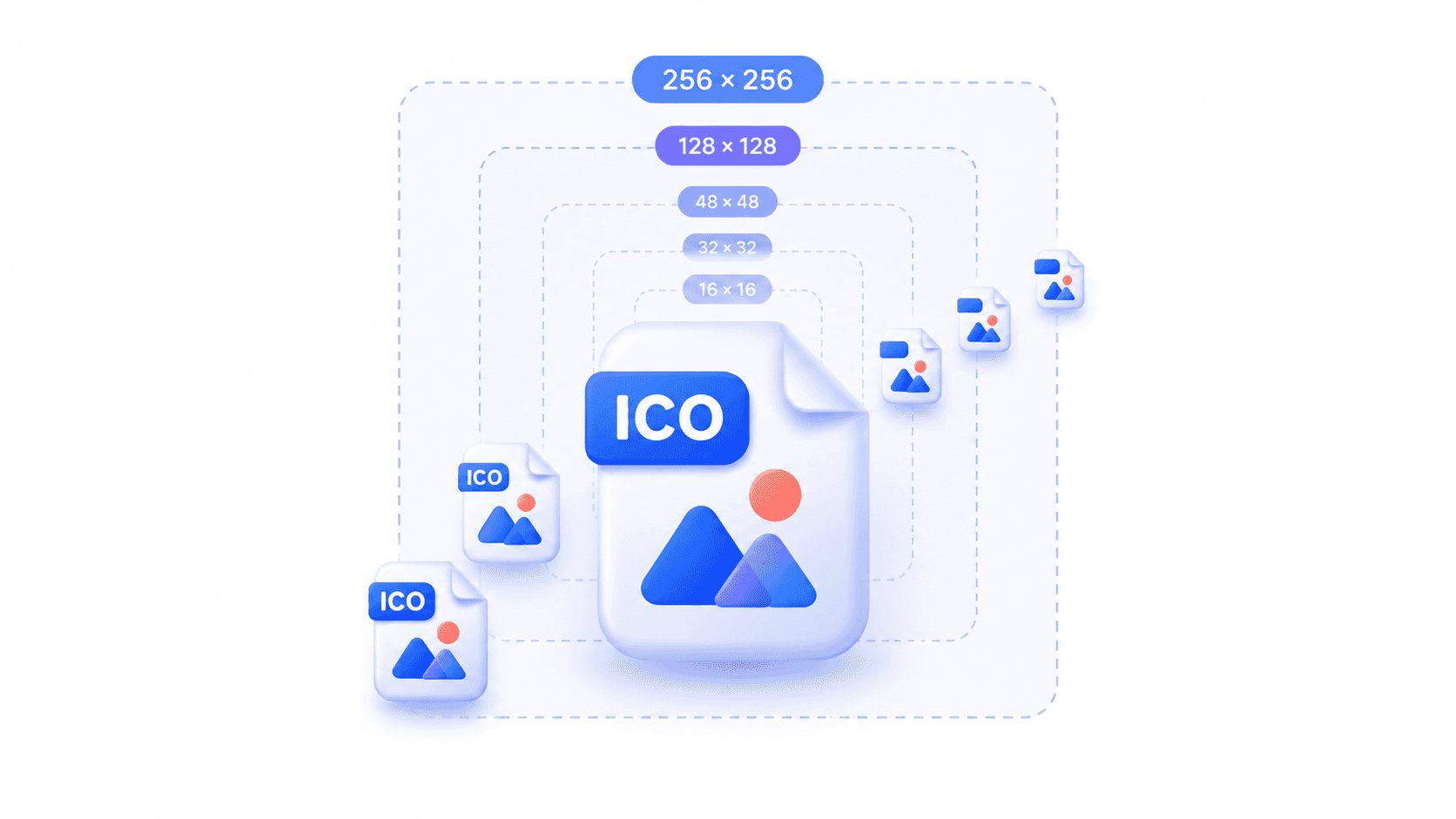
The MIME type for ICO is image/vnd.microsoft.icon. A single ICO file can contain icons in multiple sizes and color depths, allowing the operating system to select the most appropriate version for each display context and keep the icon clear at different resolutions.
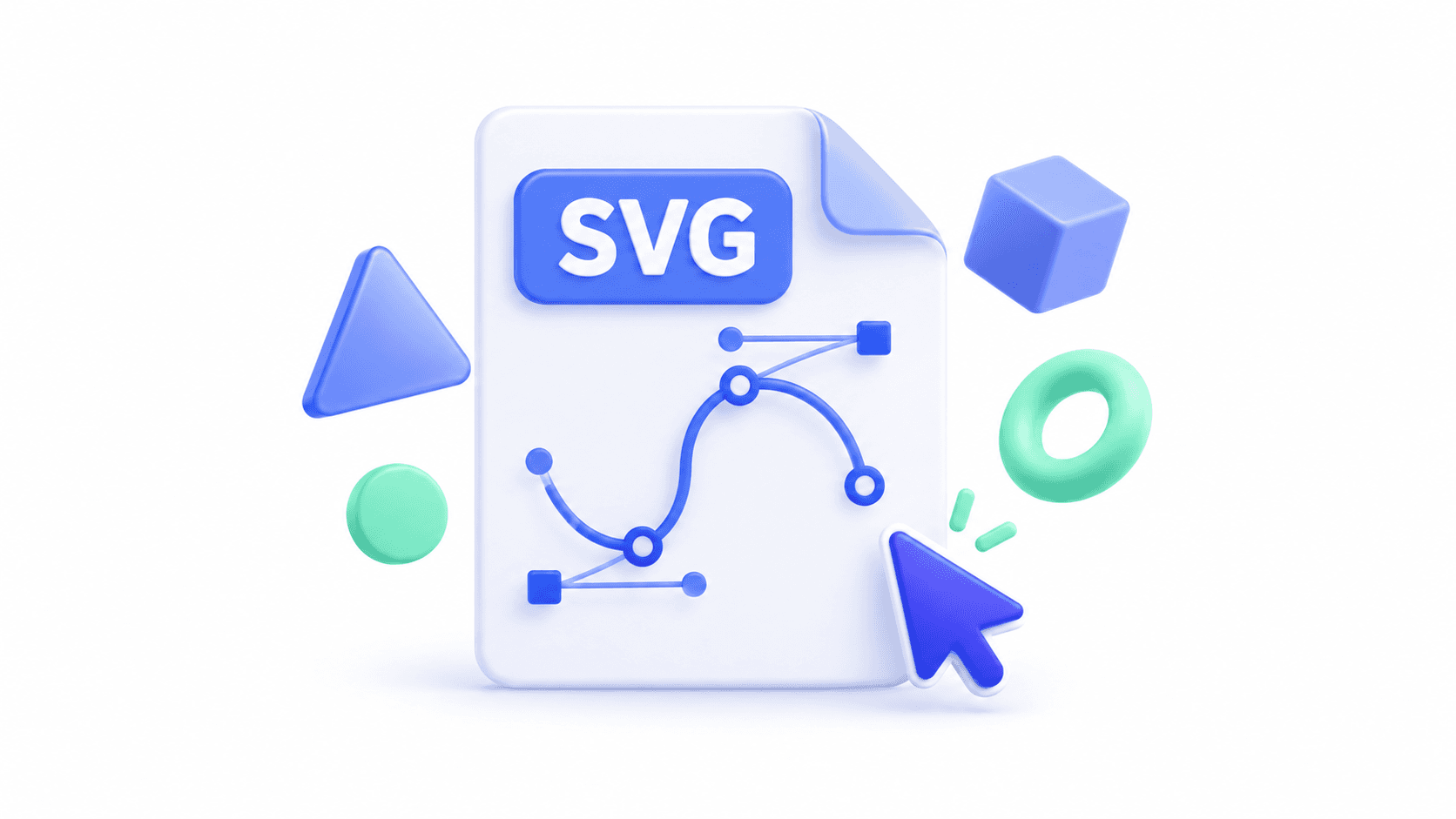
The MIME type for SVG is image/svg+xml. SVG uses XML to describe graphics with paths, curves, and geometric shapes. As a vector format, it scales without losing quality and makes colors, shapes, and styles easy to edit.
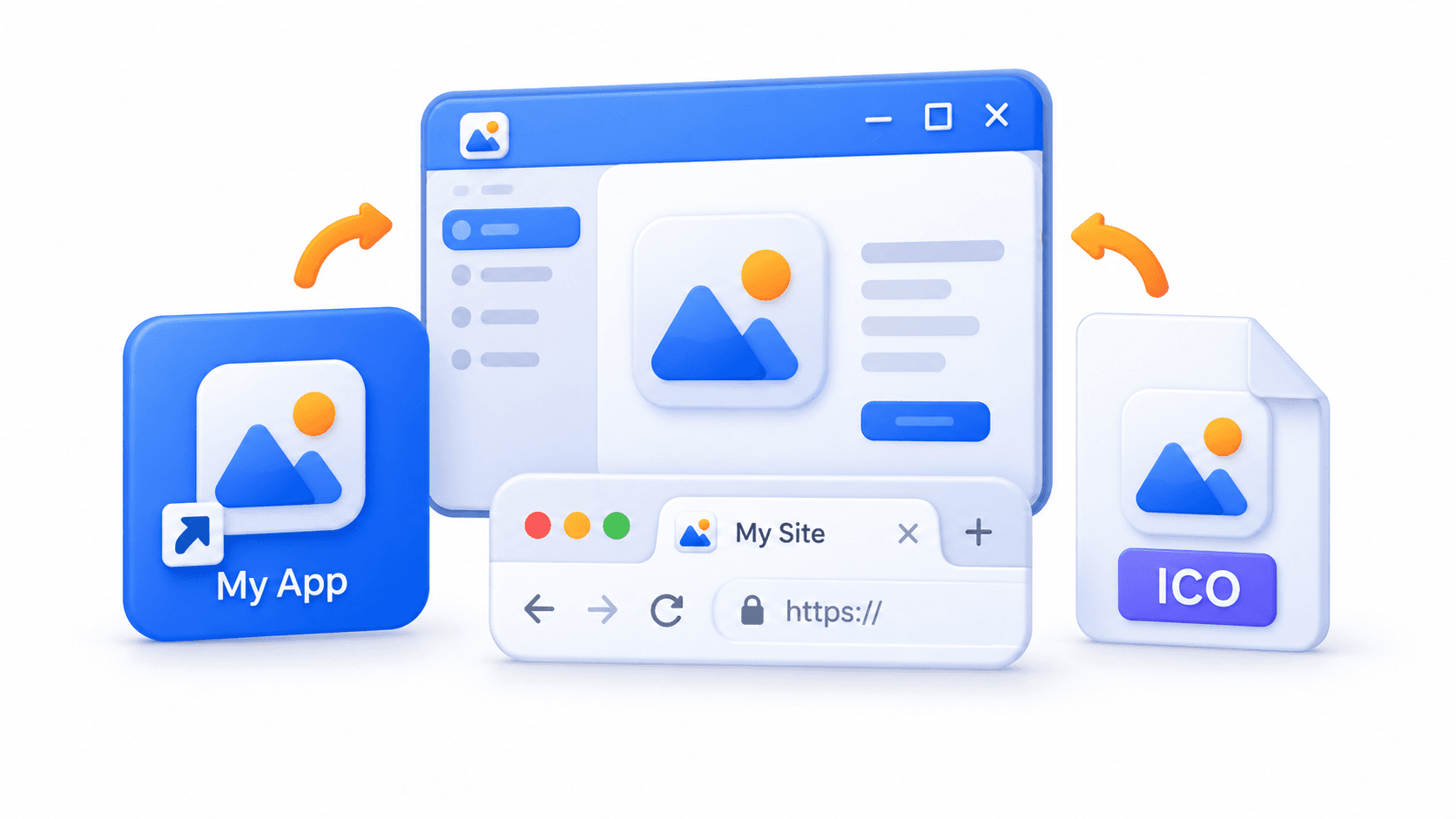
ICO is well suited to Windows application icons, desktop shortcuts, and website favicons.
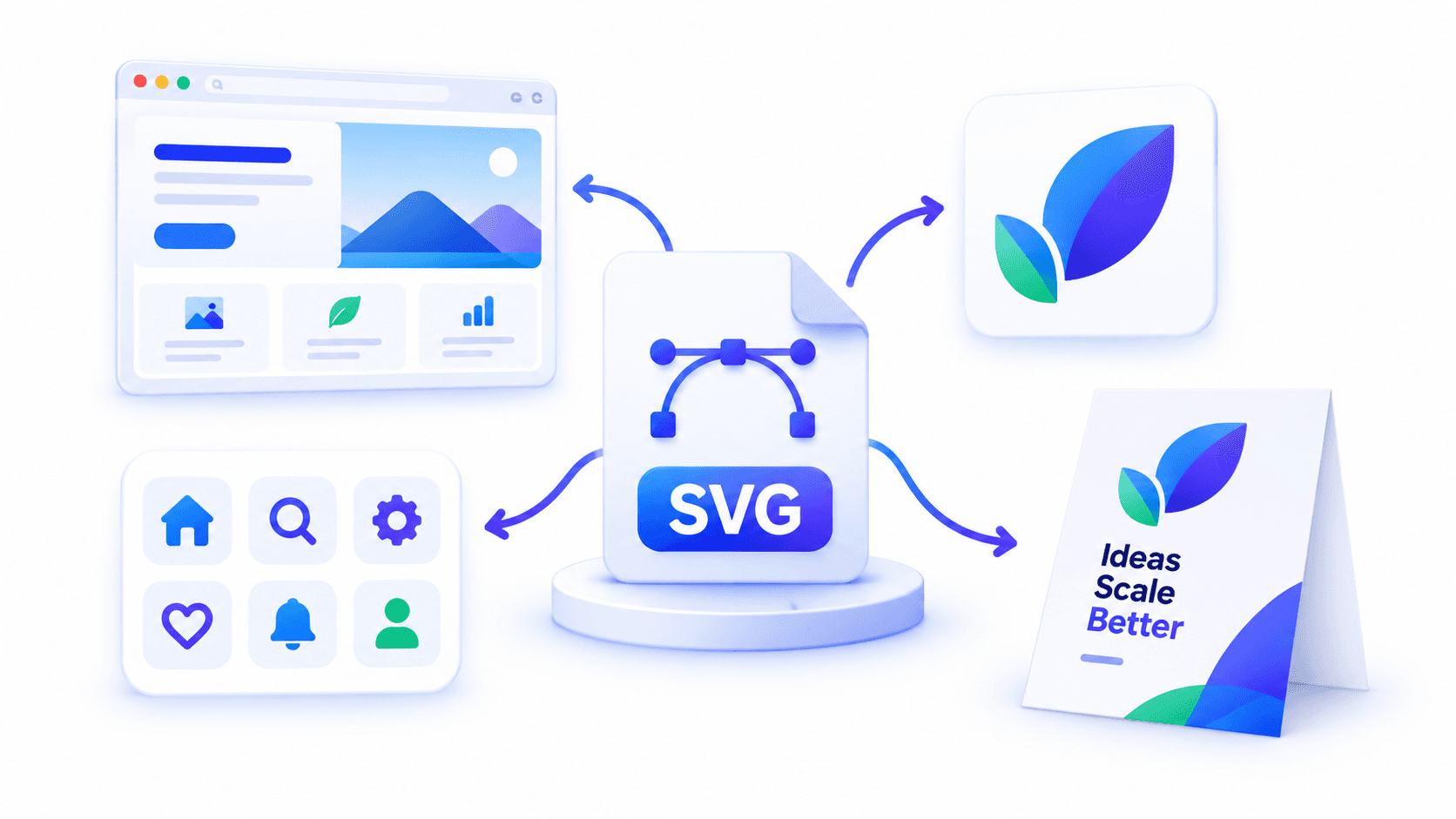
With its sharp rendering, easy editing, and strong cross-platform compatibility, SVG is widely used for web icons, logos, illustrations, user interfaces, and responsive web design.
Go from an uploaded image to a crisp, scalable vector file—no professional design experience required.
Drag and drop or select PNG, JPG, or WEBP files from your device. Convert a single image or upload multiple images for batch processing.
Once uploaded, AI automatically analyzes the image, identifying edges, colors, contours, and shapes to generate optimized SVG vector paths.
When the conversion is complete, preview and download your SVG instantly. You can also export the result as PNG, JPG, WEBP, or other common formats.
FAQ
ICO is a bitmap container format primarily used for Windows application icons and website favicons. A single ICO file can store images in multiple sizes and color depths, allowing the system to select the best version for each display context.
Yes. The conversion process analyzes the pixels, colors, and outlines in the ICO file and traces them into SVG paths. Simple graphics with clear edges generally produce the best vector results.
An ICO file can contain multiple icon sizes in one file and is mainly used for system icons and favicons. A PNG is a single raster image commonly used for transparent graphics, interface assets, and web images. PNG files and the raster images stored in ICO files may lose clarity when enlarged.
Use the highest-resolution, clearest image available in the ICO file and choose a limited color palette appropriate for icons. After conversion, preview the SVG at both small and enlarged sizes to check its outlines, spacing, and details.
Each account includes three free conversions so you can try the complete upload, conversion, preview, and download workflow. After using the free conversions, you can purchase additional conversion credits as needed.
Simple icons are usually converted within seconds. Actual processing time depends on file size, image complexity, network conditions, and current processing demand.
Yes. You can convert one or multiple ICO files at a time, with support for up to 50 files in a single batch.
Each ICO file can be up to 25 MB.
Your icon is ready when you are