Lightning Fast
AI vectorization processes images in seconds, so you can get SVG conversion results quickly without a long wait.
AI-powered online vector converter
Perfect for logos, images, graphics, and Cricut design.
JPG, PNG, WebP · Up to 25 MB · Drag and drop supported
View and download the full result with no watermark
Product Features
Effortlessly turn your JPG, PNG, WEBP, HEIC, and GIF images into clean SVG vectors online. Batch process up to 50 files with maximum speed and precision.
AI vectorization processes images in seconds, so you can get SVG conversion results quickly without a long wait.
Scale images freely for anything from small icons to large-format printing while keeping every detail crisp and sharp.
Adjust and refine converted images, change colors, improve details, and export your work in multiple popular image formats.
AI analyzes edges, shapes, and fine details to automatically generate smoother, more accurate SVG vector paths.
Upload and process up to 50 images at once—ideal for converting batches of logos, icons, illustrations, or product assets.
Export to SVG, PNG, JPG, or WEBP for convenient use across websites, design projects, printing, and sharing.
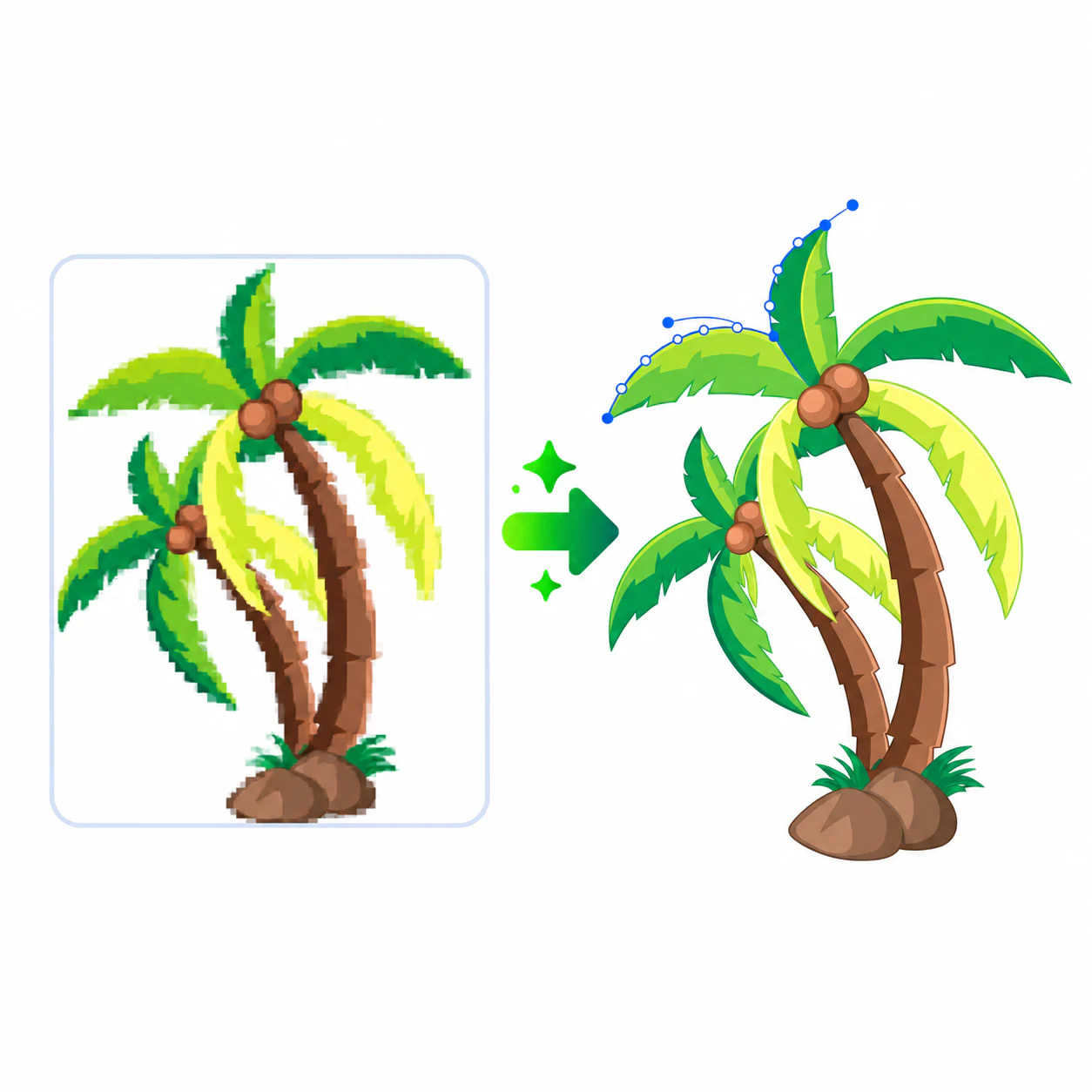
JPGtoSVG is an AI-powered image-to-SVG converter that supports JPG, PNG, and WEBP formats. It transforms ordinary images into crisp, infinitely scalable vector graphics in seconds. Whether you are working with brand logos, app icons, illustrations, or other graphic elements, its advanced AI vectorization technology quickly produces high-quality SVG results.
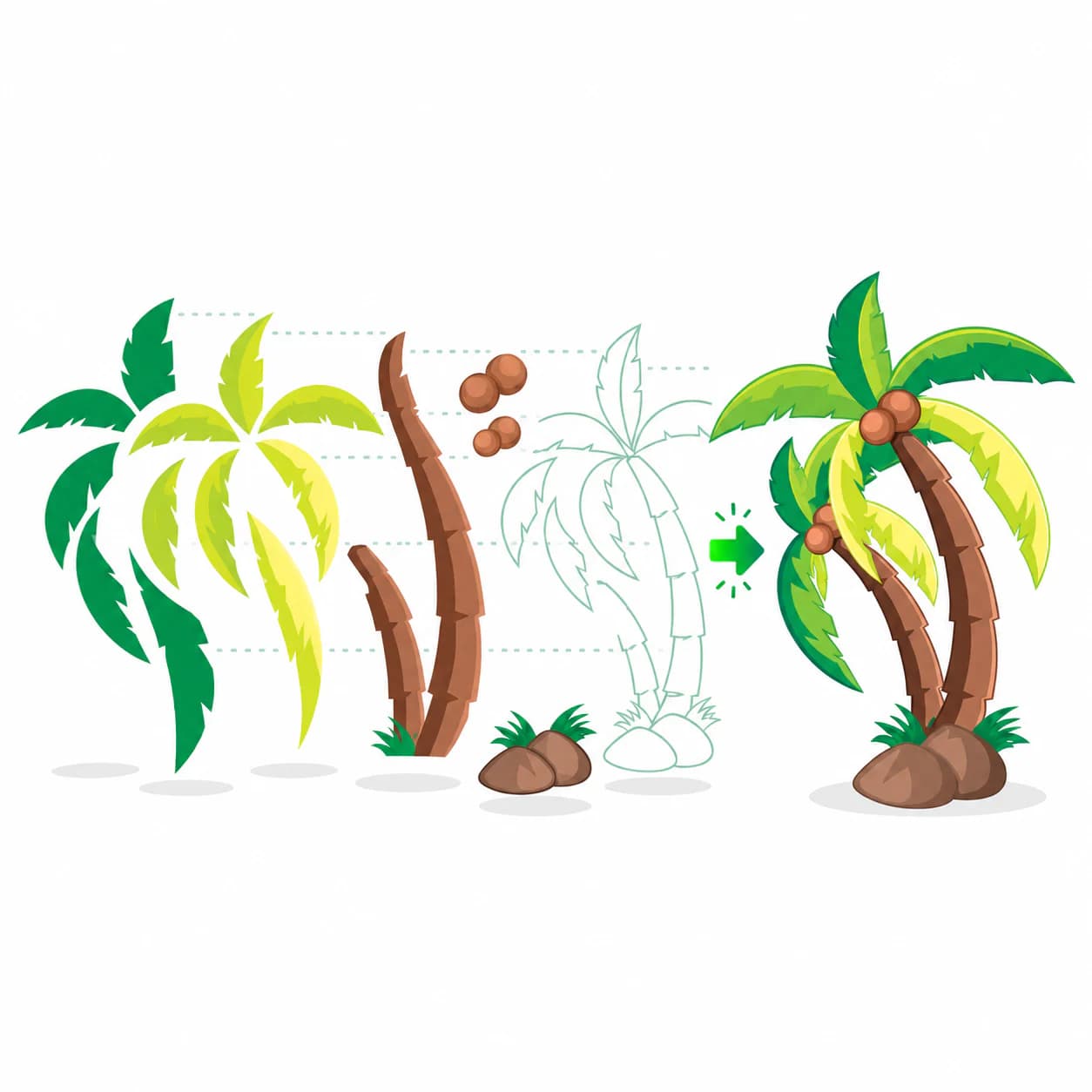
Unlike conventional image-tracing tools, JPGtoSVG does not produce bloated, cluttered SVG files. It optimizes vector paths to reduce file size while preserving crisp visual quality. From web development and graphic design to digital marketing, printing, and professional design projects, it provides reliable, high-quality vector graphics for every workflow.
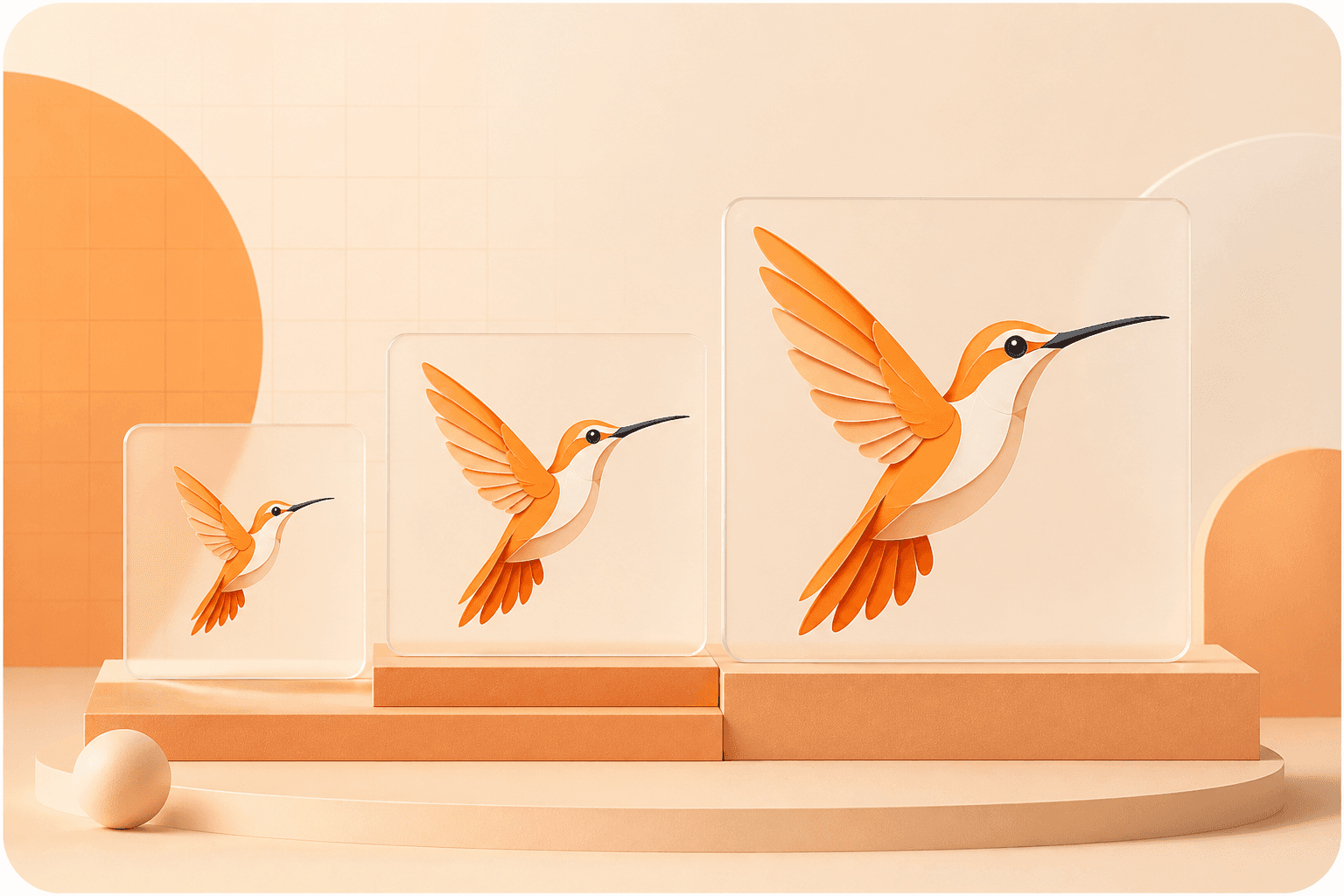
SVG is a vector format that can be scaled up or down freely without becoming blurry, pixelated, or losing visual quality. From small interface icons to large billboards, the same SVG file remains crisp and sharp at every size.
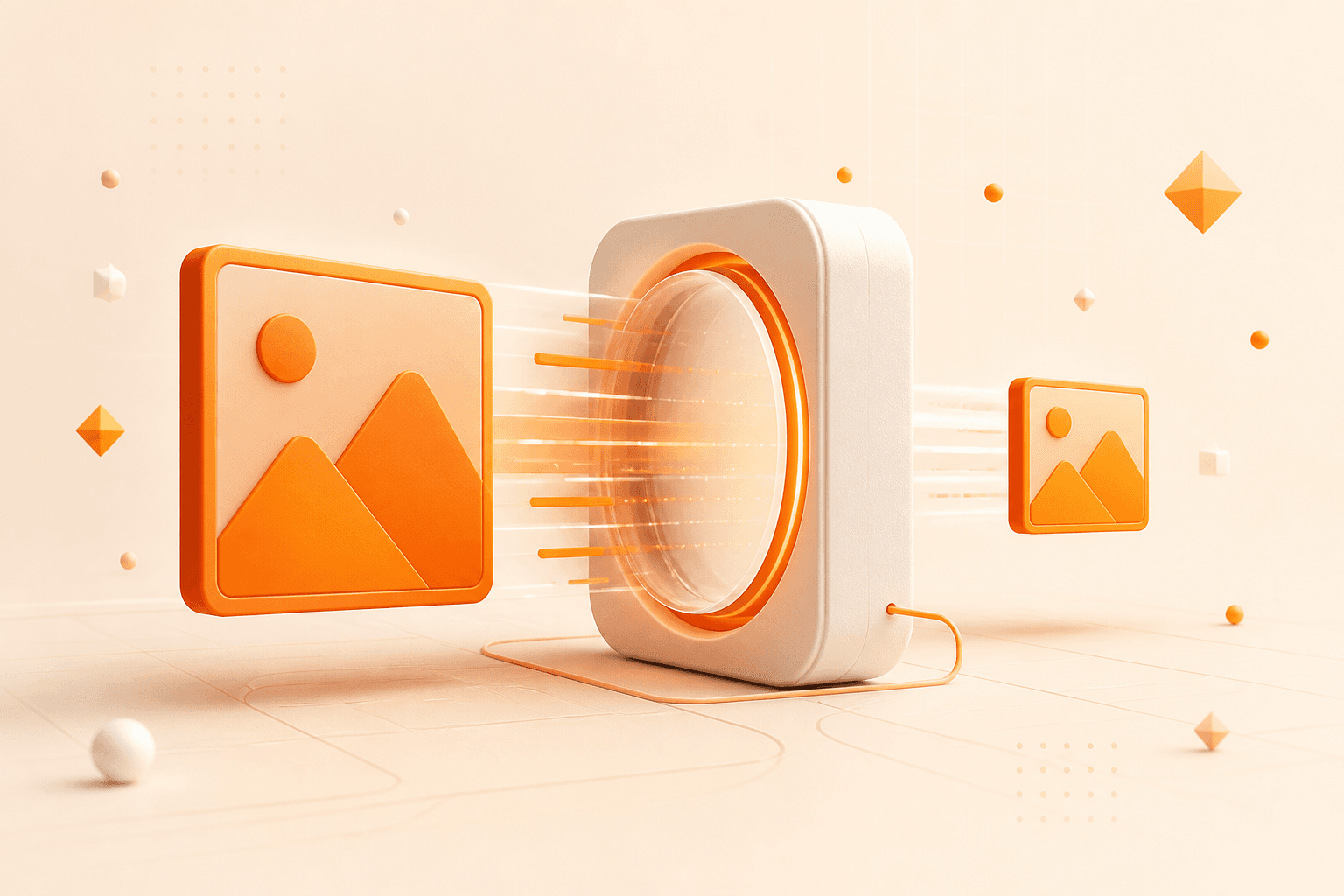
Compared with high-resolution PNG or JPG files, SVG files are often smaller in many use cases. This can improve page loading speed, create a better user experience, and contribute to stronger SEO performance.
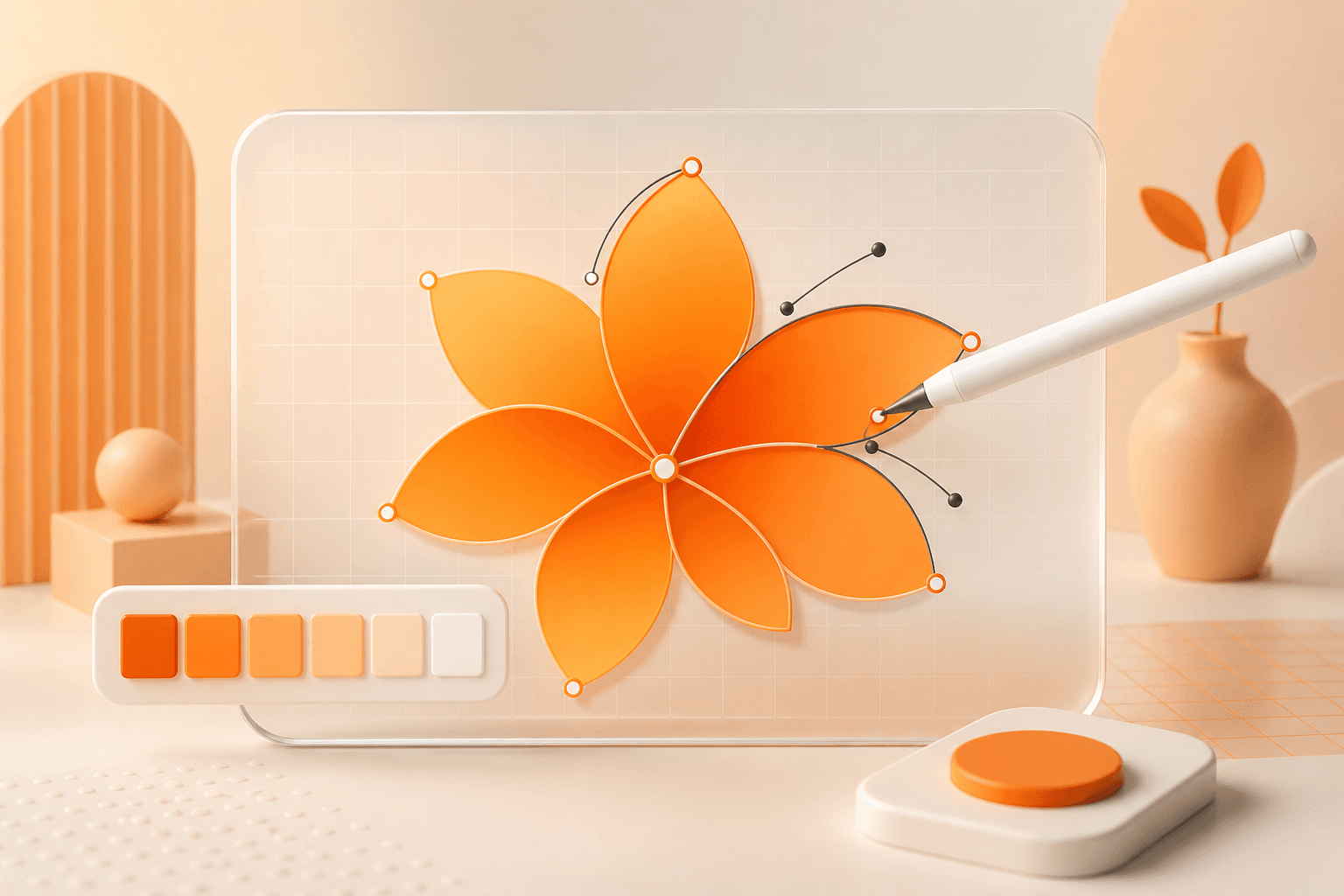
SVG files remain editable in professional design software, and their colors, dimensions, and styles can also be adjusted directly in code. This makes future revisions and customization significantly more flexible.
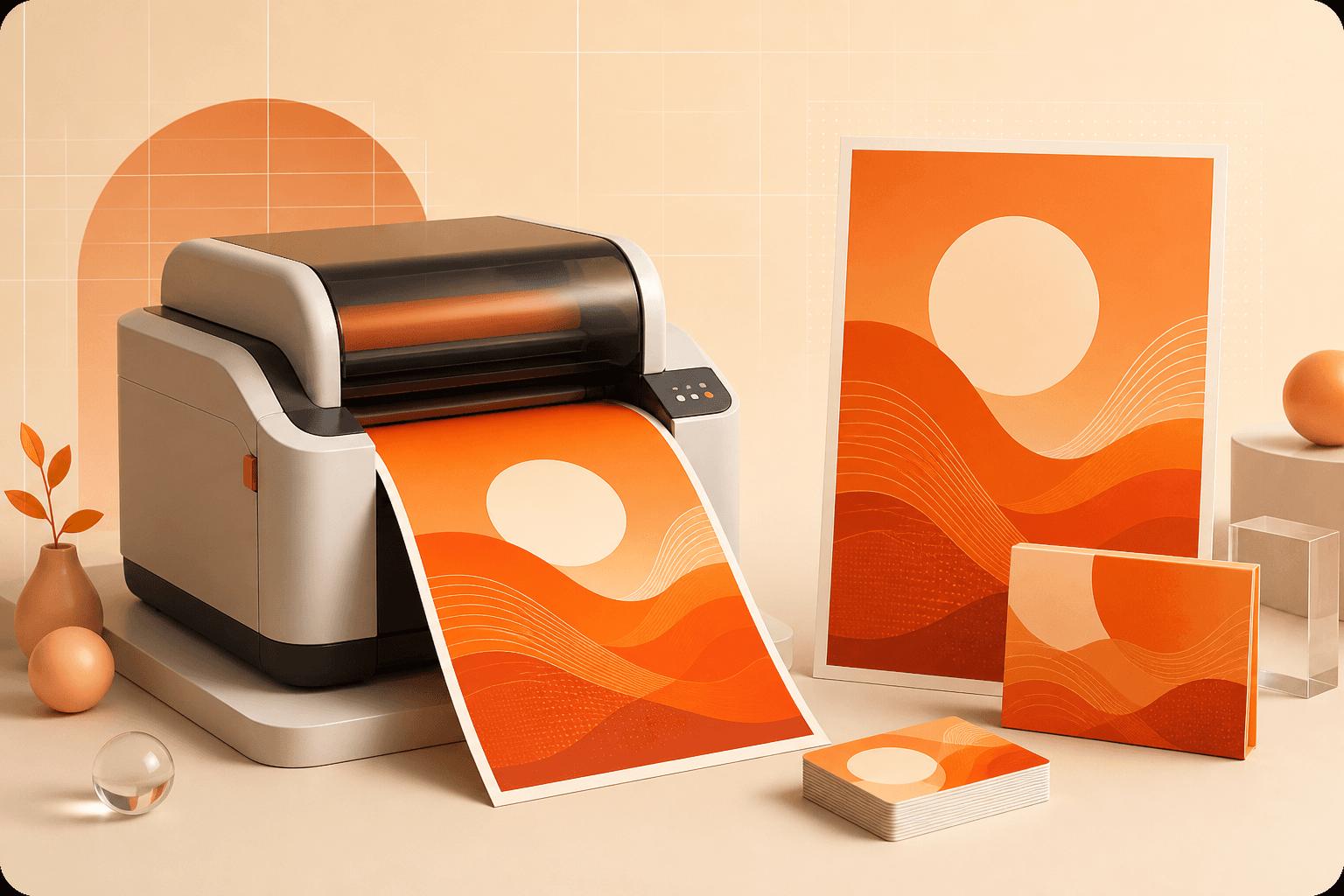
Vector graphics are widely used in print design because they preserve clean edges and consistent quality at any size. SVG is ideal for posters, packaging, business cards, promotional materials, and other professional print applications.
Go from an uploaded image to a crisp, scalable vector file—no professional design experience required.
Drag and drop or select PNG, JPG, or WEBP files from your device. Convert a single image or upload multiple images for batch processing.
Once uploaded, AI automatically analyzes the image, identifying edges, colors, contours, and shapes to generate optimized SVG vector paths.
When the conversion is complete, preview and download your SVG instantly. You can also export the result as PNG, JPG, WEBP, or other common formats.
Get more SVG conversions every month with flexible plans built for creators, designers, and teams. Cancel anytime.
30 conversions
$0.27/conversion
120 conversions
$0.12/conversion
300 conversions
$0.10/conversion
Questions, answered
A few quick answers before you turn your next image into a clean, scalable SVG.
Upload JPG, JPEG, PNG, and WEBP images up to 25 MB. Your finished artwork is delivered as a scalable SVG file.
Yes. SVGs are vector files, so you can resize them for websites, print, signs, or merchandise without pixelation.
Yes. Preview the result and use the built-in tools to refine it before downloading your SVG.
Only bitmap-to-SVG conversions use credits, at one credit per image. Every new account includes three free conversions; other conversion tools are free.
Yes. You can manage or cancel your subscription at any time from your account dashboard.
Your image is ready when you are